Tree Removal Metairie and Cleanup Services: What to Expect
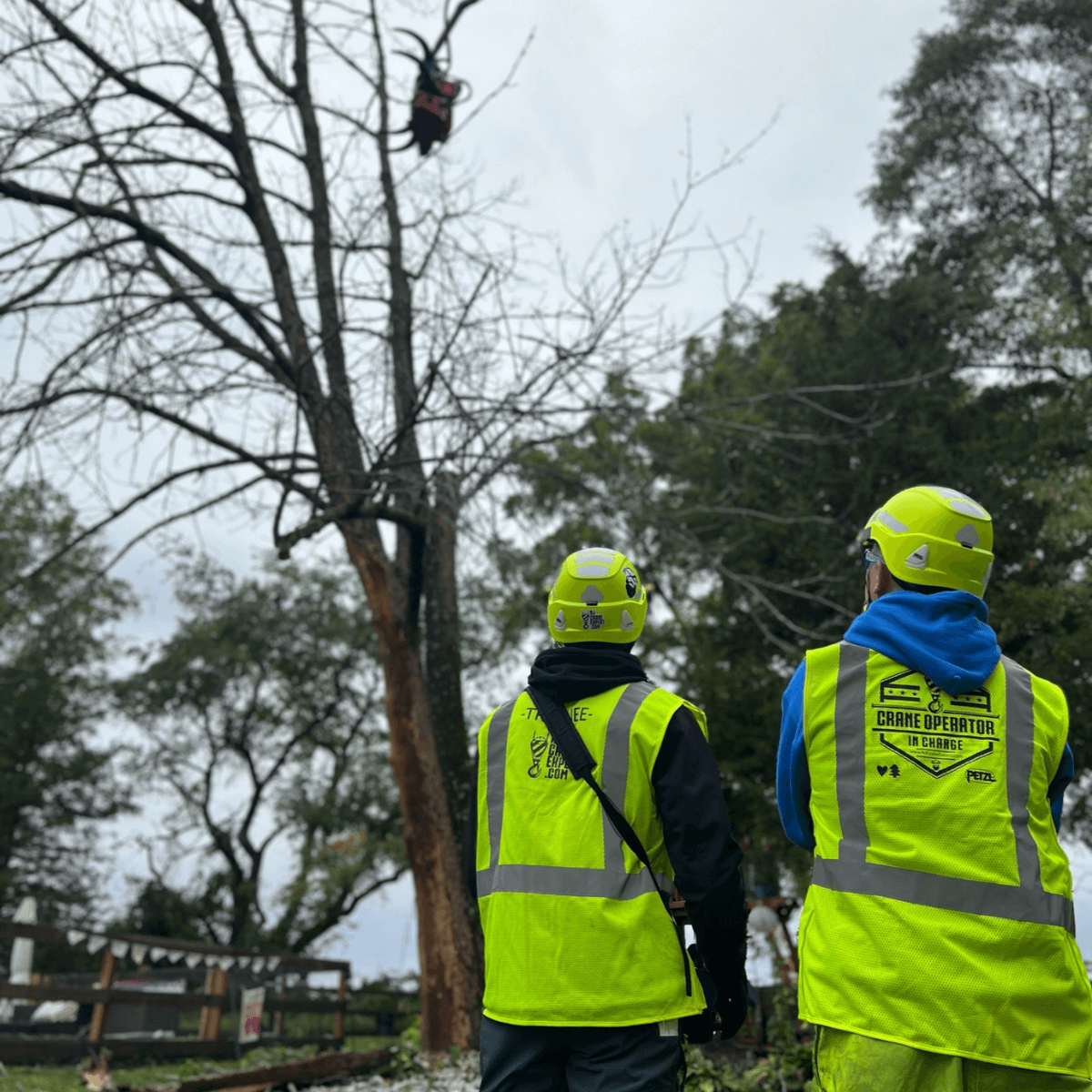

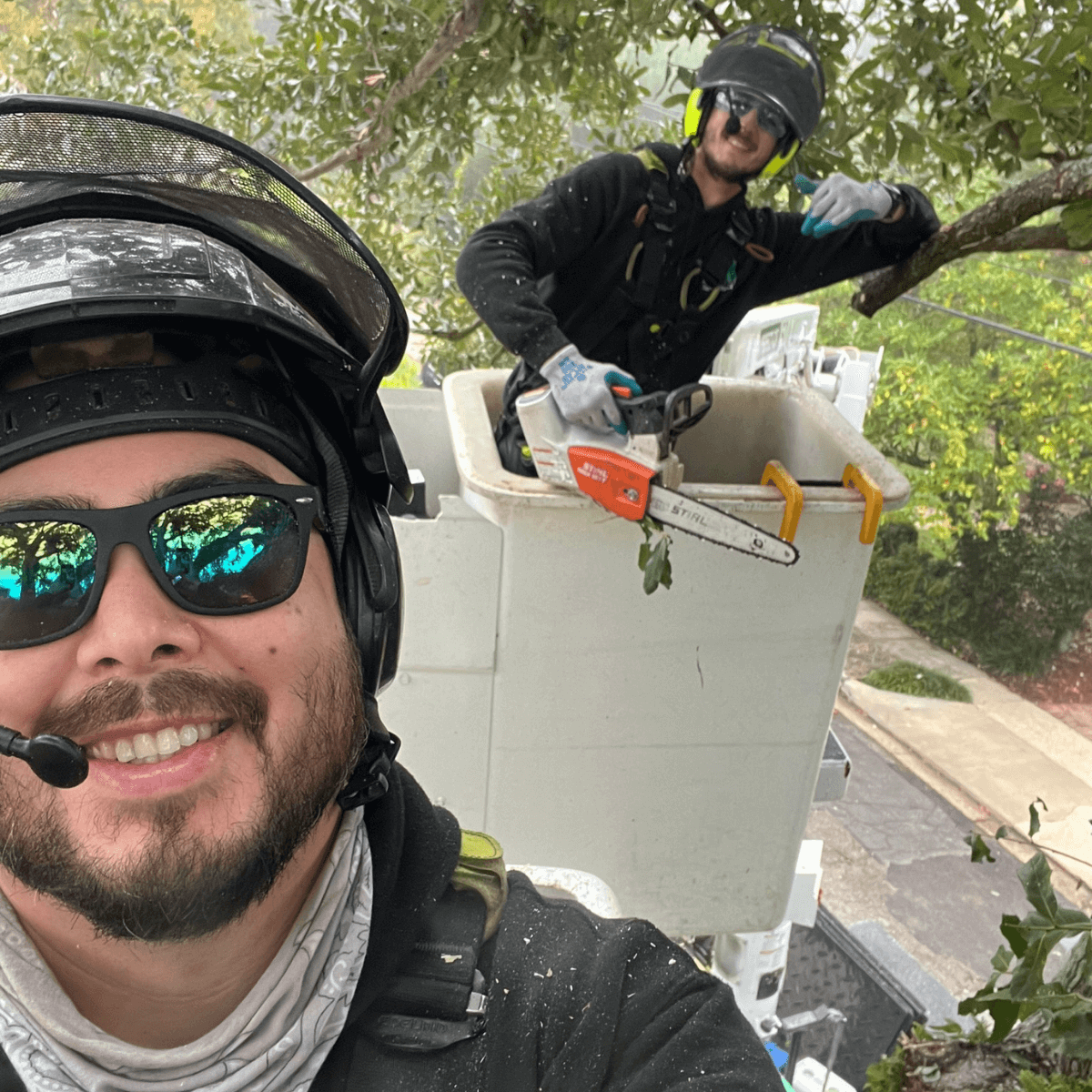
Trees add shade, privacy, and character to a property, but there comes a point when keeping one in place stops being the safest or most practical choice. In Metairie, that decision often arrives after a storm, after years of leaning and root spread, or after the tree simply outgrows the space around it. The challenge for homeowners is not just deciding whether a tree needs to come down. It is understanding how the removal process works, what cleanup should include, and how to tell the difference between a careful crew and one that leaves behind avoidable damage.
If you are researching tree removal Metairie services, it helps to know what a professional job looks like from the first site visit to the last rake pass. Tree work is one of those trades where experience shows immediately. A seasoned crew does not just cut wood. They read weight, decay, wind exposure, swing radius, soil conditions, access limitations, and what could go wrong if a limb moves the wrong way by even a few feet.
Why tree removal is often more complicated in Metairie
Metairie presents a mix of conditions that can make tree work more technical than many property owners expect. Lots are often tighter than they appear from the street. Fences, overhead utility lines, detached garages, pools, sheds, and neighboring roofs can all sit within the drop zone. Add in the region’s weather, especially heavy rain, saturated ground, and hurricane exposure, and many trees develop structural issues that are not obvious until a climber gets into the canopy.
Large live oaks, water oaks, pines, and ornamentals each behave differently during removal. A healthy tree can often be dismantled in sections with predictable cuts. A compromised one, especially one with internal rot or a split trunk, may require rigging, mechanical assistance, or a crane to prevent sudden failure. That is why an estimate based only on a photo is rarely enough for a serious removal. Good contractors want to inspect the site in person because the real risk is usually in the details: the angle of the lean, how close the trunk sits to the foundation, whether the backyard gate is wide enough for equipment, and whether the ground will support heavy machinery without rutting.
The first visit, what a good estimate should cover
A reliable estimate should feel less like a sales pitch and more like a brief field assessment. The contractor should look at the tree from several angles, ask about storm history or previous limb loss, and explain what they see in plain language. If the tree is dead, they should note whether the wood is brittle. If it is leaning, they should identify whether the lean is natural or has changed over time. If roots are lifting hardscape or threatening a slab, that should come up too.
Homeowners often focus on the price first, which is understandable, but the scope matters just as much. “Tree removal” can mean different things depending on the company. One estimate may include cutting the tree to ground level, hauling away debris, and rough cleanup. Another may price the same tree lower but leave the trunk, large wood rounds, sawdust piles, and scattered twigs for the homeowner to handle. Neither approach is automatically wrong, but the difference should be clear before tree removal metairie the work begins.
A thorough estimate usually addresses the tree itself, debris hauling, log removal, limb chipping, site cleanup, access method, and whether stump grinding is separate. If a crane is needed, that should be stated. If traffic control or utility coordination could affect timing, that should be mentioned too. The best crews also spell out what they will protect, such as lawns, irrigation heads, fences, and driveways, while being honest that some disturbance can happen when large trees come out.
What drives the cost
Tree removal pricing is rarely based on height alone. Height matters, but it is only one piece of the job. A modest tree in an open front yard may take less time and risk than a shorter tree boxed in by a house, power service drop, and backyard pool enclosure.
Several factors tend to shape the final cost:
- tree size, species, and condition
- difficulty of access for climbers, bucket trucks, or cranes
- proximity to structures, fences, utilities, and neighboring property
- volume of debris and whether full hauling is included
- stump grinding, root flare work, and final site restoration
Dead trees often cost more than homeowners expect because dead wood can be unpredictable. Limbs may snap under load, and a compromised trunk gives a climber less margin for error. Storm-damaged trees can be even more complex, especially when they are partially hung up in another canopy or resting on a structure. In those cases, the work becomes more controlled disassembly than straightforward felling.
In Metairie, where yards can be narrow and mature trees can tower over homes, the least expensive bid is not always the least expensive outcome. A lower number can become costly if it leaves behind lawn ruts, broken fence panels, gouged concrete, or a debris field that still needs to be cleared.
How the removal process usually unfolds
Once the work is scheduled, the crew typically arrives with a chip truck, chainsaws, climbing gear, rigging equipment, and sometimes a skid steer, loader, bucket truck, or crane depending on the site. Before the first cut, they should walk the property, confirm access, identify hazards, and establish where debris will be staged.
On a simple removal with open space, the crew may be able to drop sections directly into a designated zone. On a tight lot, most of the canopy is dismantled piece by piece. Branches are cut, rigged, and lowered under control to avoid impact damage. Larger limbs may be tied off from multiple points if there is a risk of swing. Once the canopy is reduced, the trunk is taken down in sections. Those trunk rounds can be surprisingly heavy. Even a short section from a mature hardwood can weigh hundreds of pounds, which is why proper equipment and planning matter so much.
A homeowner watching from indoors may only see a tree disappear over a few hours, but a lot is happening in that time. The pace depends on weather, wood condition, equipment access, and how much precision the site demands. One medium backyard removal can be wrapped up in half a day. Another, with restricted access and extensive rigging, may take a full day or more despite looking similar from the curb.
What cleanup should include, and what it often does not
Cleanup is where expectations most often drift apart. Some people assume the yard will look almost untouched when the crew leaves. Others are prepared for a rougher finish. The truth is usually somewhere in between, and it depends on what was included in the proposal.
At a minimum, cleanup commonly means hauling away limbs and wood, chipping brush, blowing off hard surfaces, and raking the immediate work area. That should leave the site reasonably tidy and safe. If the company advertises full cleanup services, the standard should be higher. A professional finish means not leaving splinter piles, bark strips in flower beds, random saw cuts in the turf, or heavy wood fragments hidden in shrubs.
It also helps to ask about the finer points. Will they remove all wood rounds or leave some for firewood? Will they rake out sawdust or leave it around the stump area? If the chipper is parked at the curb, who handles the trail of leaves and bark between the backyard and the truck? These are small details, but they shape whether the property feels cleaned up or simply abandoned after the main work is done.
Stump grinding is another frequent point of confusion. Removing a tree and grinding the stump are usually priced as separate services. Grinding can take the stump below grade, but it does not remove every root. Afterward, you are often left with a mound of grindings and soil mix. Some companies spread that material neatly over the area. Others leave it piled. If you plan to replant, install sod, or pour concrete, the post-grinding finish should be discussed in advance.
What property owners should do before the crew arrives
Most of the preparation is simple, but it makes the day go smoother and reduces the chance of accidental damage. Outdoor furniture, potted plants, garden décor, vehicles, and anything fragile in the work zone should be moved ahead of time if possible. Pets should be kept indoors. Gates should be unlocked, and if the crew needs access through a neighbor’s side, that permission should be secured beforehand.
A short checklist helps:
- move cars away from the driveway and street frontage near the work area
- clear portable items from patios, porches, and the yard
- mark irrigation heads or low landscape lighting if they are hard to see
- let the crew know about septic components, drains, or buried utilities you are aware of
- keep children and pets away until the site is fully cleared
One practical note that homeowners appreciate after the fact: expect noise, sawdust, and vibration. Even a clean, careful crew cannot make large tree work quiet. If you work from home or have a baby who naps during the morning, schedule with that in mind.
Signs of a tree that should not wait much longer
Not every problematic tree is an emergency, but some warning signs should move it higher on the priority list. If a tree has recently started leaning, especially after heavy rain or wind, that is worth prompt attention. So is visible root plate lifting, a major crack in the trunk, large dead limbs over the roof, or fungus and cavities at the base. Leaf decline alone does not always mean removal is necessary, but a dead upper crown combined with brittle branch tips and peeling bark often points to advanced decline.
After storms in southeast Louisiana, another common issue is the “survivor” tree that looks fine from one side but has hidden structural damage. A limb may have twisted and partially failed, or the trunk may have taken an impact that opened a long seam. These are the jobs where a homeowner says, “It made it through the storm,” and a good arborist says, “It made it through this one.” That distinction matters. A compromised tree can stand for months before failing under much milder conditions.
Emergency removals versus scheduled work
There is a big difference between emergency response and planned removal. A scheduled job gives the company time to inspect, crew properly, secure equipment, and choose the safest approach. Emergency work happens when a tree is already on a house, blocking a driveway, hanging over a live service line, or posing an immediate hazard. In those cases, the first goal is stabilization, not appearance.
Homeowners are often surprised that emergency cleanup can look rough in the first phase. That is normal. If a tree is tangled on a roof after a storm, the crew may need to strip weight fast, create safe access, and clear only what is necessary to prevent further collapse. Final cleanup sometimes comes after the immediate hazard is removed. The best contractors explain that sequence so no one mistakes triage for sloppy work.
Because storm demand surges quickly in Metairie, emergency pricing may be higher than routine work, especially when it involves after-hours response, cranes, tarping coordination, or hazardous conditions. That does not mean every high storm quote is justified. It does mean apples-to-apples comparisons are harder during widespread weather events because labor, equipment, and disposal logistics all tighten at once.
How to judge whether a company is professional
You can learn a lot from a contractor in the first ten minutes. A professional crew tends to ask practical questions, speak clearly about risk, and avoid making reckless promises like “we can drop it anywhere” or “nothing will touch the lawn.” Tree work always involves variables. The honest companies explain how they manage those variables rather than pretending they do not exist.
Watch for how they describe cleanup. Experienced operators are specific. They will tell you if the turf may show traffic marks, if plywood mats are advisable, or if a crane would reduce impact despite costing more. That kind of candor is usually a good sign. So is a written estimate that matches the verbal scope.
It also helps to notice how the crew handles neighboring property. In dense residential areas, a responsible company thinks beyond the lot line. They consider where chips blow, where limbs swing, whether a truck blocks a shared drive, and how to avoid damage to the next yard over. Those habits usually reflect strong supervision, not just good manners.
Common misunderstandings about cleanup
One of the biggest misunderstandings is the belief that “removed” means every trace of the tree disappears. Full removal of above-ground material is standard when it is included, but roots remain unless a much larger excavation is performed. Another common misunderstanding is about sawdust. Stump grinding generates a lot of it, and while some homeowners assume it will all be hauled away, many companies leave grindings on site unless disposal is specifically included.
Lawn condition is another gray area. Heavy equipment can mark wet turf even with care. In Metairie’s softer soils, those impressions can happen quickly, especially after rain. A conscientious company may use mats, plywood, or a lighter access route, but there are limits. If preserving the lawn is critical, say so before the job starts, not after the truck has crossed the side yard.
There is also the matter of “free firewood.” Large wood rounds look useful when stacked neatly by the curb. In reality, many are too heavy for a homeowner to move without splitting them first, and fresh-cut hardwood can take a long time to season. If you want to keep some wood, ask the crew to cut it to manageable lengths and agree on how much stays. Otherwise, hauling it off is often the cleaner choice.
Stump grinding, root concerns, and what comes next
After the tree is down, the stump becomes the next decision. Leaving it in place may be fine in a naturalized corner of the yard, but most homeowners want it gone for appearance, mowing, pest control, or future planting. Grinding is usually the practical option. It removes the visible stump and some of the flare roots below grade, making the area easier to level and landscape.
Still, grinding has limits. Surface roots may remain beyond the grind zone, and some species can continue to settle or decay over time. If the tree sat close to a walk or driveway, that gradual change can affect the surrounding grade. If your long-term plan includes hardscaping, mention it before the grinding depth is set. A shallow grind may be fine for mulch and ornamentals, but not deep enough for other uses.
Replanting deserves a little judgment too. Putting a new tree directly into the old stump hole is rarely ideal. The site can be full of woody debris, and the original root system may interfere with establishment. Often it is better to offset the planting location slightly and choose a species suited to the available space. In older Metairie neighborhoods, that one decision can prevent a repeat of the same problem twenty years later.
A realistic picture of a well-run job
A good tree removal does not look dramatic from start to finish. It looks controlled. The crew arrives organized, protects what they can, adjusts when they uncover hidden decay or a weak tie-in point, and leaves the property cleaner than most people expect after seeing the volume of wood that came down. There may still be signs that major work happened, especially around a stump area or an equipment path, but there should not be chaos, mystery charges, or avoidable property damage.
For homeowners seeking tree removal Metairie services, the most useful expectation is this: the best companies combine removal skill with cleanup discipline. They understand that the job is not finished when the last trunk section hits the ground. It is finished when the hazards are gone, the debris is out, the site is reasonably restored, and the homeowner knows exactly what was done and what remains.
That level of service usually shows up in small moments. The climber pauses to rethink a cut because the wind shifted. The ground crew lays protection before rolling a heavy round across a walkway. Someone takes the extra ten minutes to rake bark from a bed of liriope instead of leaving it to be “good enough.” Those details rarely appear in an advertisement, but they are what separate a merely completed job from a professional one.
If you approach the process with clear questions, a realistic sense of what cleanup includes, and an eye for how a contractor manages risk, you will be in a much stronger position to hire well. And when a large tree truly needs to come down, hiring well is the part that matters most.
A Perfect Cut Tree Service
4725 Shores Dr, Metairie, LA 70006
+1 504-732-0779
FAQ About tree removal metairie
What is the average cost of tree removal in my area?
There is no single price that fits every tree. Size, condition, access, nearby structures, equipment, debris hauling and stump work affect the estimate. Request a written, site-specific quote that identifies what is included.
Who will remove trees for free?
Free removal is not generally available for ordinary private-property tree work. Utilities or public agencies may handle trees within their responsibilities. Confirm eligibility directly and do not assume that an offer or assistance program covers your tree.
Can I just cut down a tree in my yard?
Check ownership, location and local requirements first. Jefferson Parish requires a permit for removal of qualifying vegetation in the public right-of-way, and additional protections may apply in designated areas. Ask the parish about your property and have a qualified tree professional assess the work.